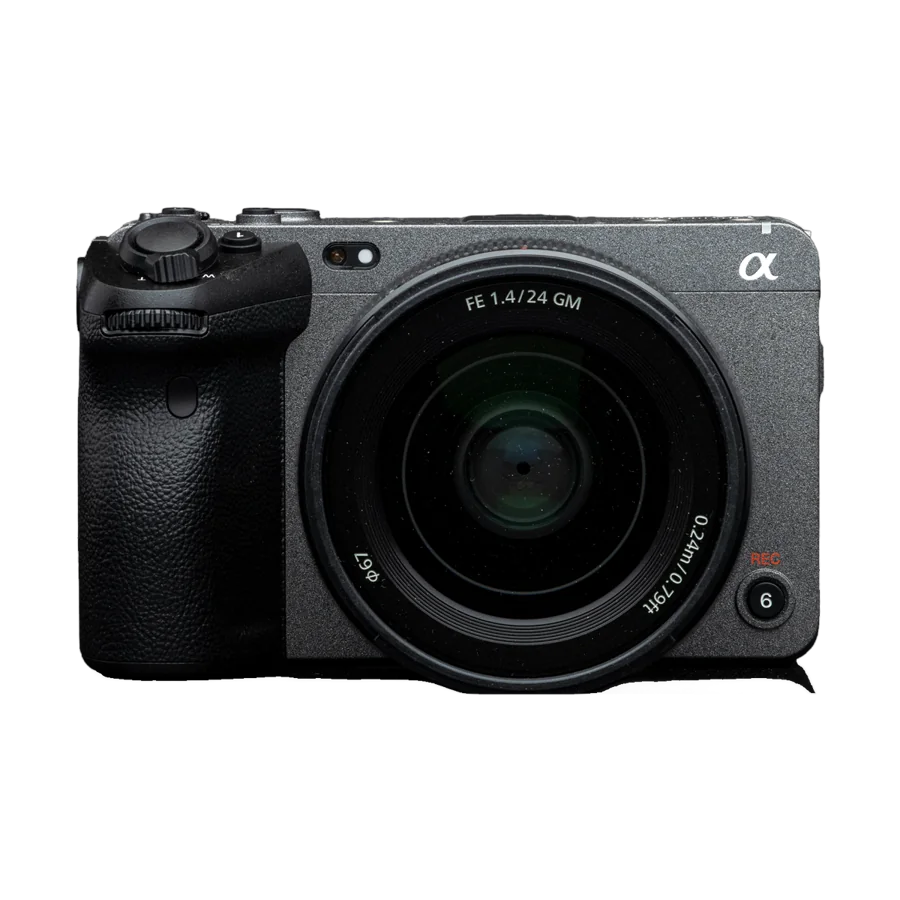
Sony FX3
Sold new now as the FX3A.
Runs cool through long takes, holds up in low light, and has the monitoring tools built in. The fan is the real feature.
Start here instead: Your phone, then any used mirrorless camera with manual video.
Gear I use
Everything I shoot, record and edit with on real jobs. Next to each one is the cheaper thing that does the job well enough to learn on. Start at $0, then a mic, then support.
Starting out? Balling on a Budget: the starter kit →About the links
As an Amazon Associate I earn from qualifying purchases. If you buy through a link here I earn a small commission, at no extra cost to you. I only list things I own and use.Lenses outlive three cameras. Put the money there.

Sold new now as the FX3A.
Runs cool through long takes, holds up in low light, and has the monitoring tools built in. The fan is the real feature.
Start here instead: Your phone, then any used mirrorless camera with manual video.
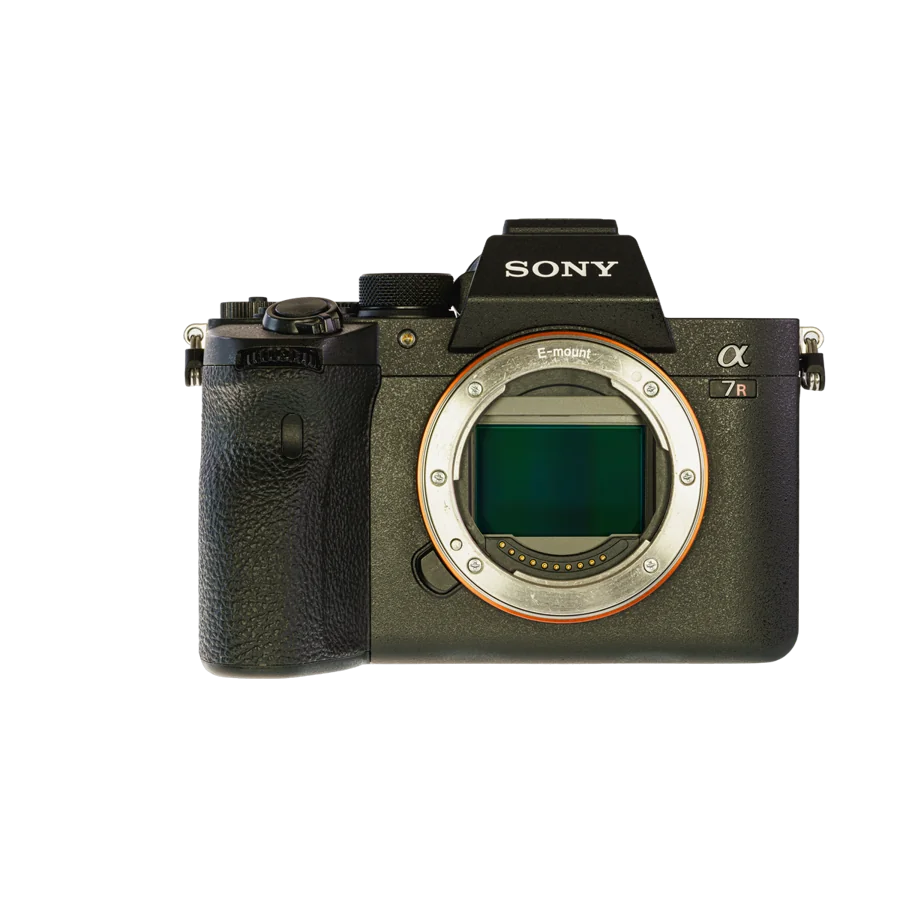
IllustrationBody only. Sold on Amazon by Adorama, an authorized Sony dealer.
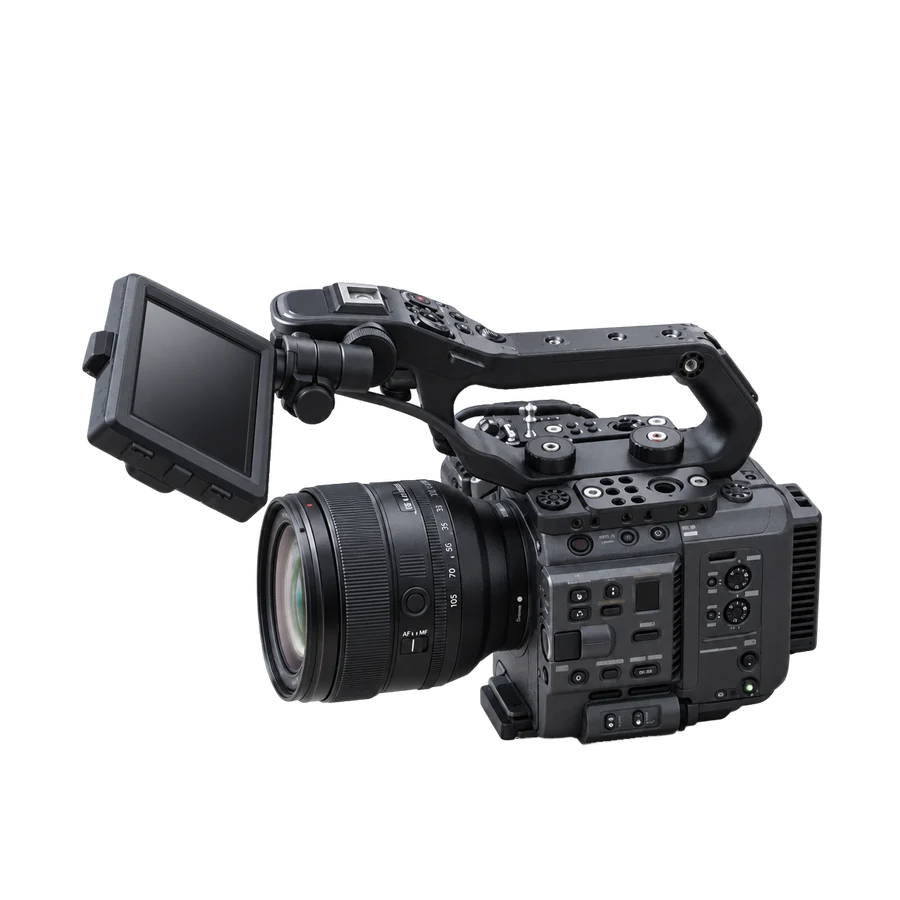
The bigger body for longer, bigger jobs: built-in variable ND, XLR audio on the handle, and a shape made for a shoulder rig on long run-and-gun days.
Start here instead: The camera you already have. The FX6 solves problems you won't have for years.

61 megapixels, for stills where I need to crop hard or print big. It is not the video camera, and I don't pretend it is.
Start here instead: The same body you shoot video on. One camera you know completely beats two you half-know.

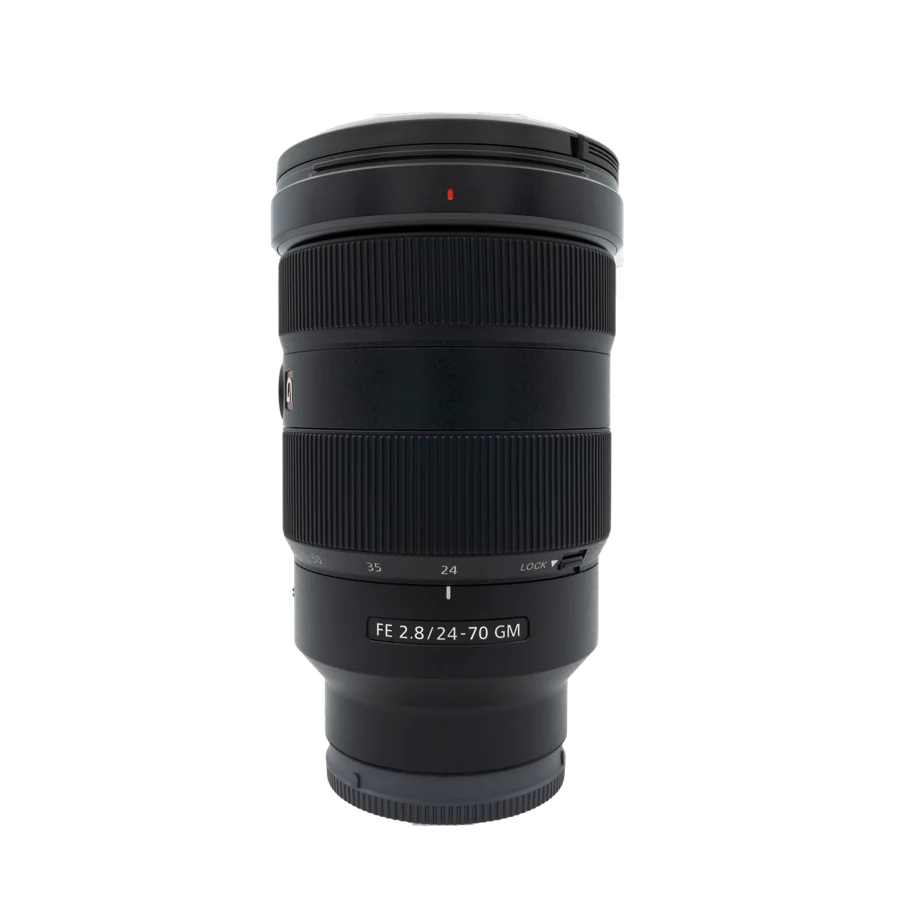
Mine is the original GM, not the GM II.
Wide enough for a room, long enough for a clean interview, fast enough for a dim one. If I could keep one lens, it's this.
Start here instead: The kit zoom you already own. Learn framing on it before you spend anything.

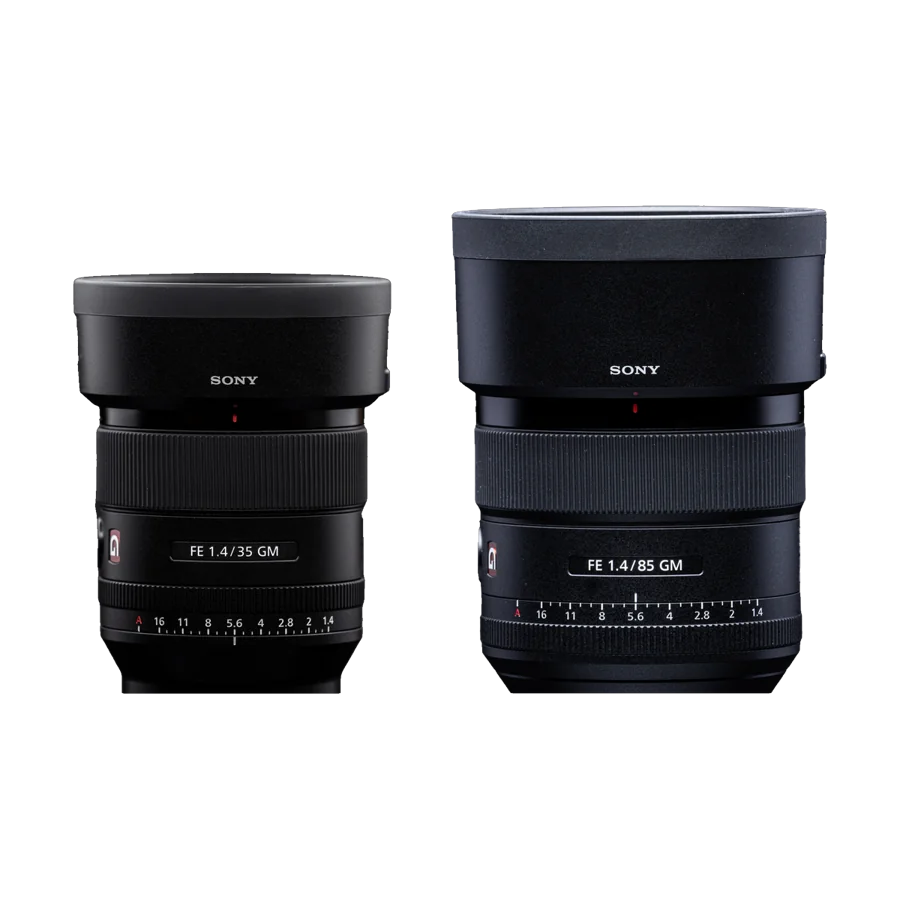
My 85 is the original GM.
Two ends, no middle. The 35 disappears in a room; the 85 separates a face from everything behind it.
Start here instead: A used 50mm f/1.8. It sits between my two and tells you which way you actually want to go.
If you buy one thing, buy a microphone.
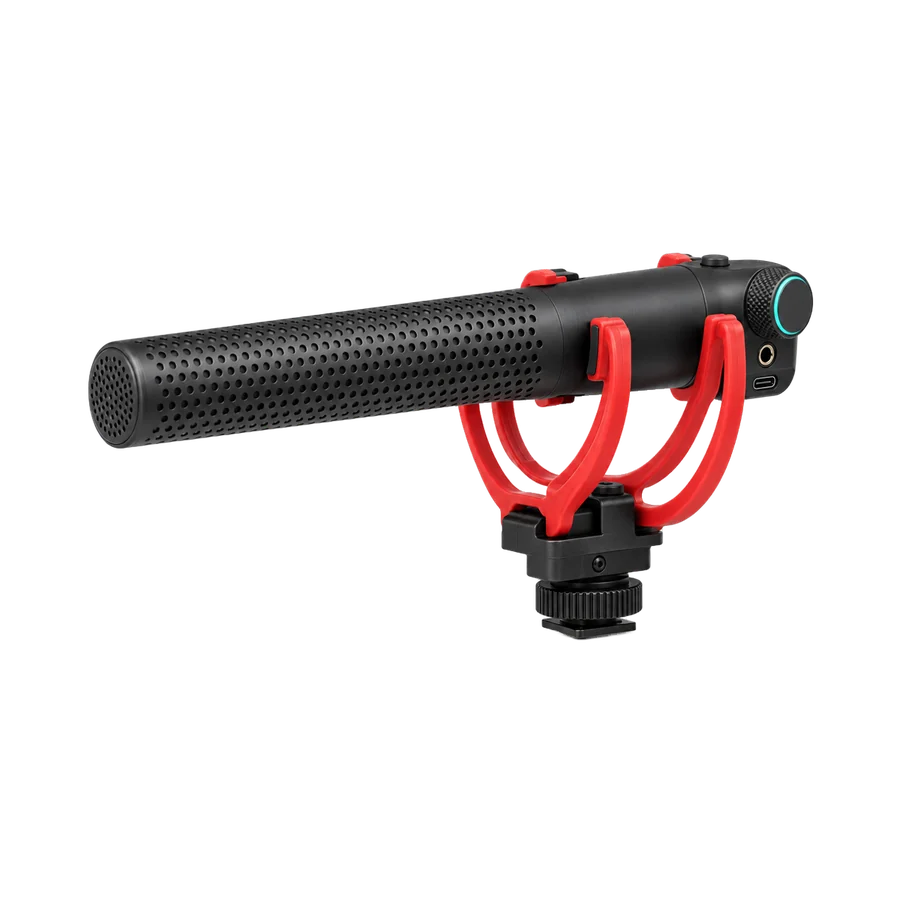
IllustrationLives on the camera, charges over USB-C, switches on and off with it, and records a safety channel 20 dB down for the laugh I didn't see coming.
Start here instead: Any wired clip-on mic, a hand's span from the mouth. Distance beats price.
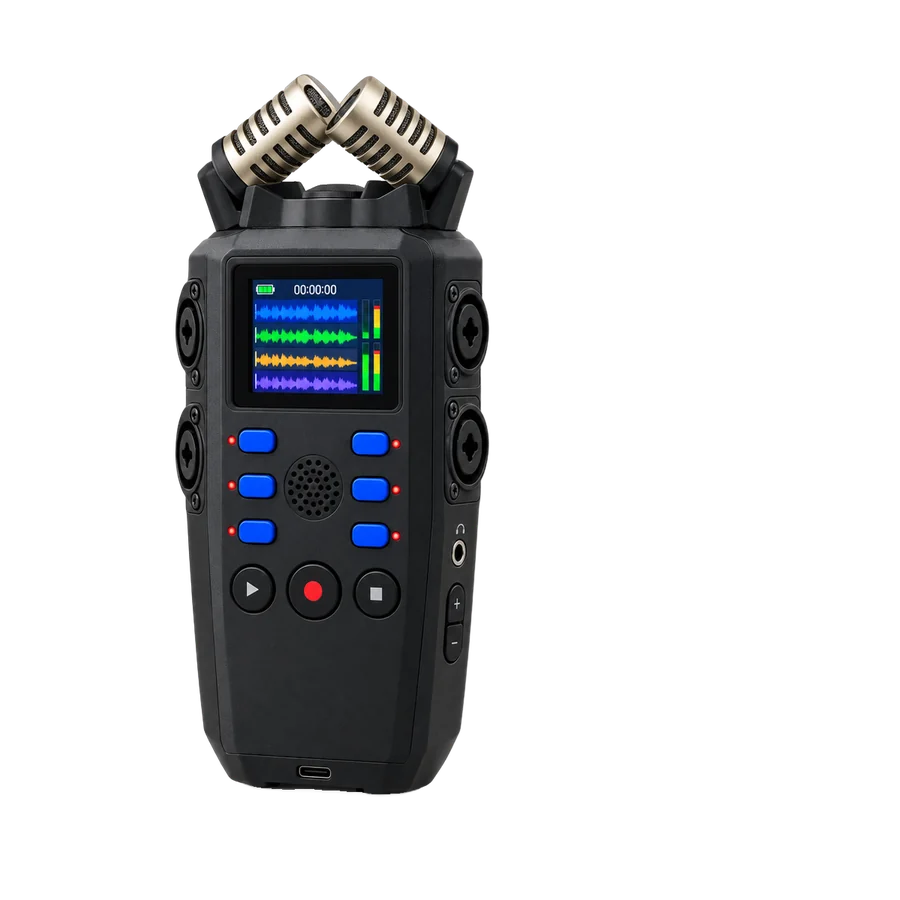
IllustrationMine is the original H6; a used one is still a great buy.
The new version of my H6, and my backup on every interview. It records 32-bit float, so you don't have to set levels perfectly anymore.
Start here instead: A second phone on the table, running a voice memo.
Nice to have. Never the reason a shot works.
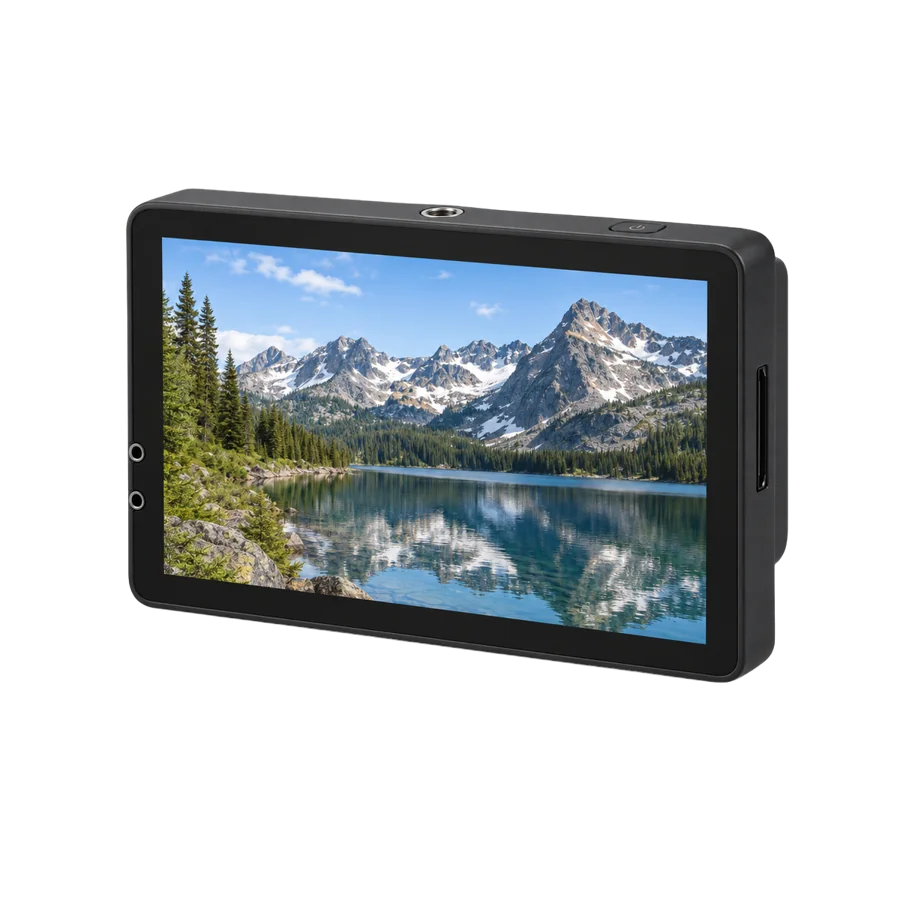
IllustrationA 5.2-inch, 1500-nit monitor, bright enough to judge exposure outdoors. I use it for false color and focus, not for recording.
Start here instead: The camera screen, with zebras on. Trust them over your eyes.
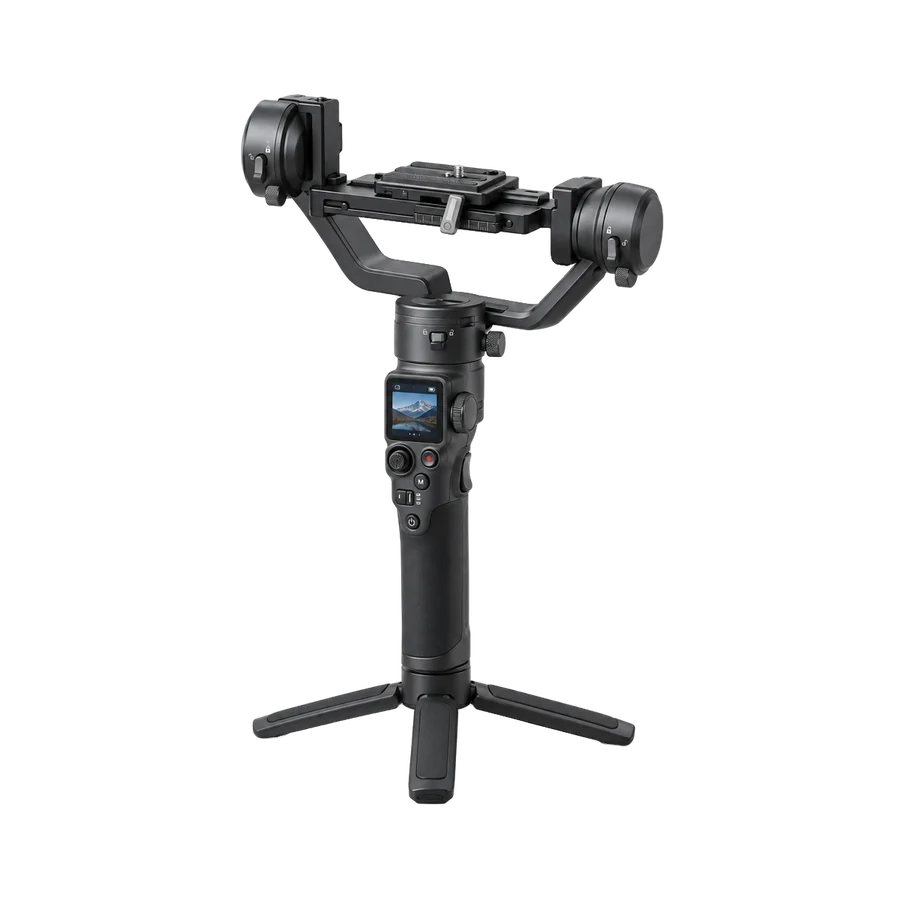
IllustrationFor shots that need to travel: walking with a subject, moving through a space, following a hand. I reach for it when the shot moves, not because I own it.
Start here instead: Your feet, and a locked-off tripod. Don't buy a gimbal to learn on.
What I edit, design and run the business on.
Learn it on what you already own
Four modules, taught on this kit and on a phone, side by side. 9 pieces of gear above; you need none of them to start.